Baking & Desserts Classic Vanilla Butter Cake
Highlighted under: Heavenly Bakes
Whenever I feel the need for a comforting slice of cake, I turn to this classic vanilla butter cake recipe. It's incredibly simple to prepare, yet it yields such a delightful outcome that is perfect for any occasion. We enjoy how the aroma fills our kitchen while it bakes, and the tender, buttery crumb never fails to impress. Whether paired with a dollop of whipped cream or enjoyed plain, it’s a guaranteed hit that brings warmth and nostalgia to every bite.
When I first tried baking a vanilla butter cake, I was captivated by how the simple ingredients transformed into something so scrumptious. The trick, I've found, is to cream the butter and sugar well—this creates a light and airy texture that's truly irresistible. Patience is key during this step!
Not only does it taste divine, but the buttery vanilla flavor pairs wonderfully with any frosting or topping, making it a versatile choice for celebration cakes or everyday treats. I often play with different extracts to give it a unique twist. It's my go-to recipe!
Why You Will Love This Recipe
- Classic flavor that never goes out of style
- Tender and moist texture in every slice
- Versatile and easy to customize with different toppings
The Importance of Quality Ingredients
The quality of your ingredients can significantly impact the final product of your vanilla butter cake. Using fresh, high-quality unsalted butter ensures a rich flavor and helps achieve that tender crumb. I prefer to use butter that's been at room temperature; this allows for better incorporation with the sugar, leading to a fluffier batter. Always check the expiration dates on your eggs and milk as well, as stale items can lead to an unpredictable rise and moisture content.
Granulated sugar is often overlooked in terms of quality, but opting for a finer sugar can improve the texture of your cake. The fine granules dissolve more easily, creating a smoother batter that can incorporate air more effectively. Additionally, when measuring flour, spoon it lightly into your measuring cup; packing flour can lead to a dense cake. For gluten-free options, consider almond flour in combination with a gluten-free blend to achieve a lighter texture.
Baking and Cooling Techniques
When baking, it's crucial to preheat your oven thoroughly. An oven thermometer can help ensure that the temperature is accurate; an underheated oven can produce a cake that doesn't rise properly. Watch for that lightly golden color on the edges of the cake, which indicates it's ready to come out. If the cake browns too quickly, consider tenting it with foil halfway through baking to slow the browning process while allowing it to cook through.
Once baked, allow the cake to cool in the pan for 10 minutes; this resting time helps set the structure before moving it to a wire rack. Be cautious during this step, as rushing can lead to a cake that crumbles or breaks. If you find that the edges are sticking to the pan, gently run a butter knife around the perimeter to loosen it before inverting onto the rack. This simple step can prevent mishaps that ruin the appearance of an otherwise perfect cake.
Ingredients
For the Cake
- 1 cup unsalted butter, softened
- 1 ½ cups granulated sugar
- 3 large eggs
- 2 teaspoons vanilla extract
- 2 cups all-purpose flour
- 1 tablespoon baking powder
- ½ teaspoon salt
- 1 cup milk
Make sure all ingredients are at room temperature for the best results.
Instructions
Preheat the Oven
Preheat your oven to 350°F (175°C) and grease a 9-inch round cake pan.
Cream the Butter and Sugar
In a large bowl, beat the softened butter and sugar together on medium speed until pale and fluffy, about 5 minutes.
Add Eggs and Vanilla
Add the eggs one at a time, mixing well after each addition. Then, mix in the vanilla extract.
Combine Dry Ingredients
In a separate bowl, mix together the flour, baking powder, and salt.
Mix Everything Together
Gradually add the dry ingredients to the wet mixture, alternating with the milk. Start and end with the flour mixture, mixing until just combined.
Pour and Bake
Pour the batter into the prepared cake pan and smooth the top. Bake in the preheated oven for 30 minutes or until a toothpick inserted in the center comes out clean.
Cool and Serve
Allow the cake to cool in the pan for 10 minutes, then transfer it to a wire rack to cool completely. Serve plain or with your favorite frosting.
Enjoy your delicious vanilla butter cake!
Pro Tips
- For an extra flavor boost, try adding lemon or almond extract to the batter. This can give the cake a unique twist that pairs beautifully with the vanilla.
Serving Suggestions
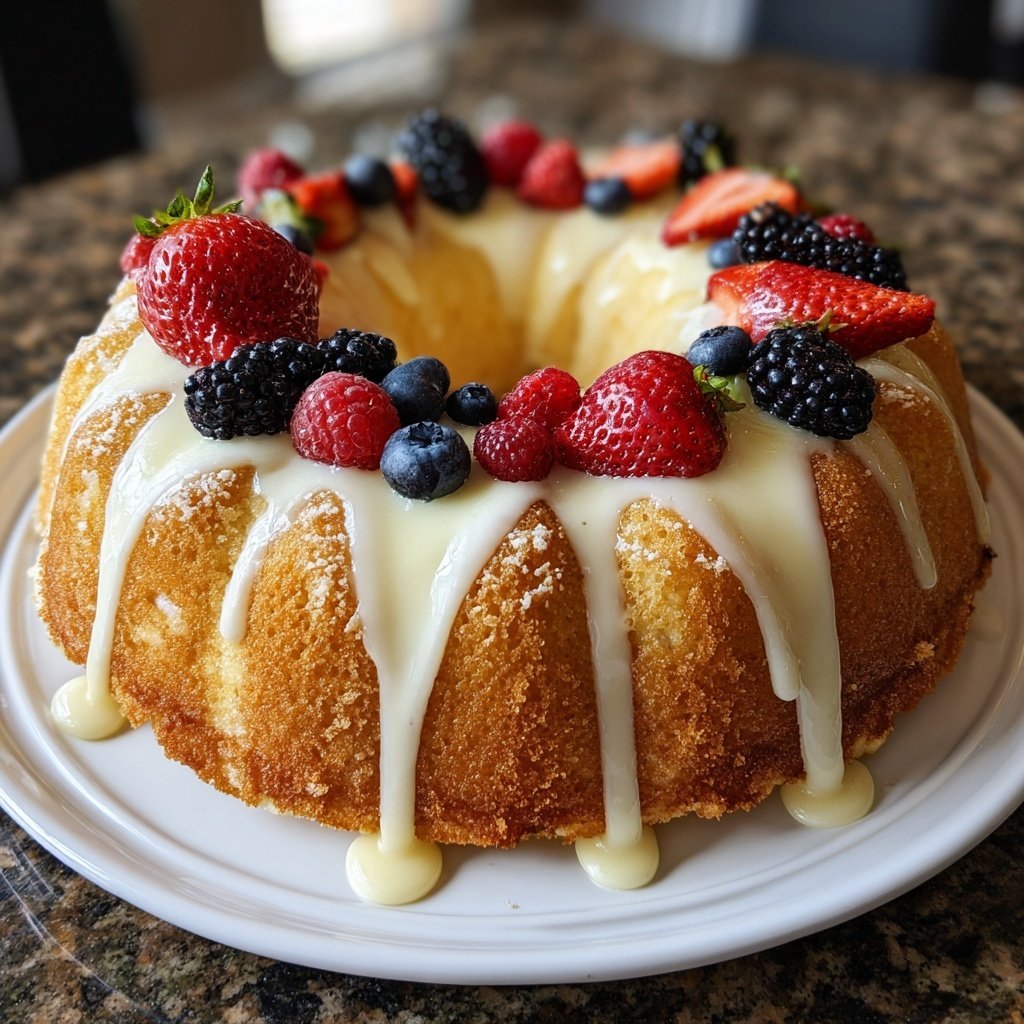
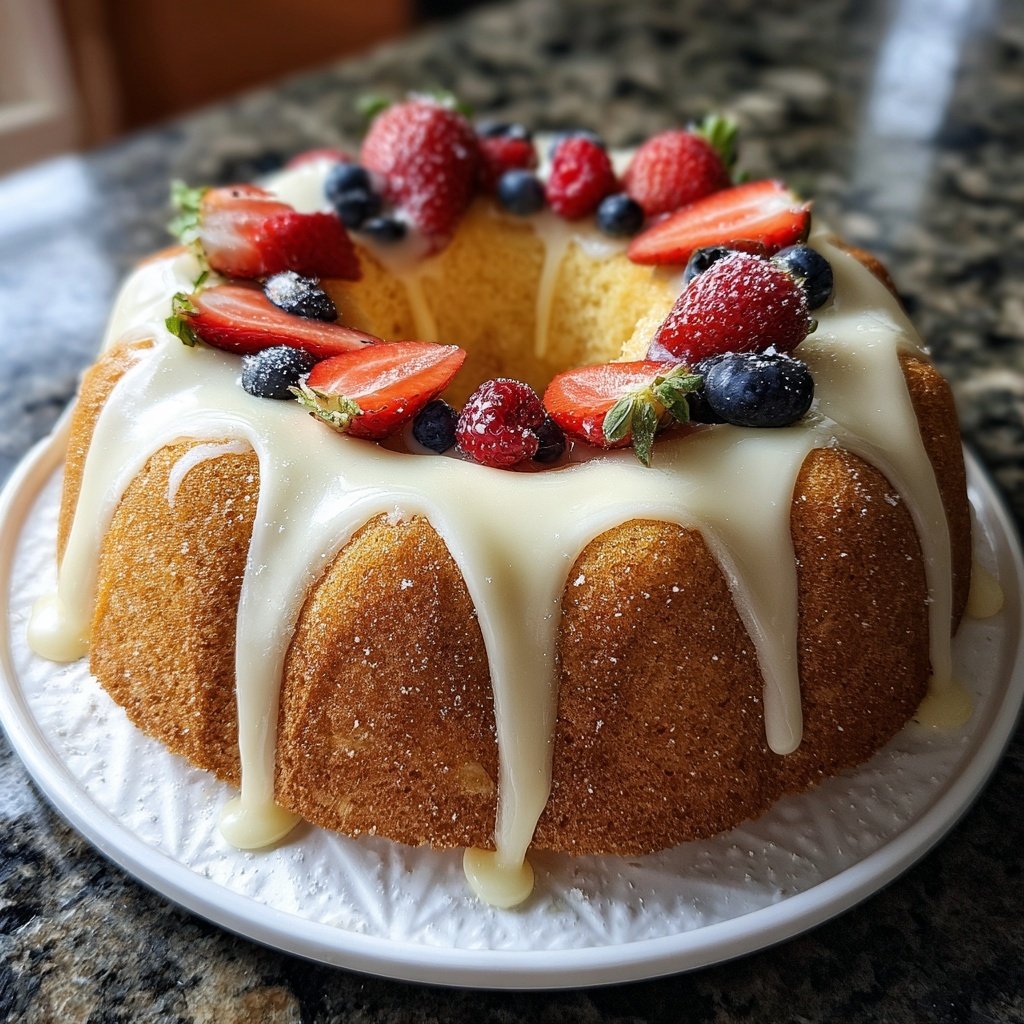
This classic vanilla butter cake shines on its own, but it can be elevated with a variety of toppings. A simple dusting of powdered sugar adds an elegant touch, or you can slather on a rich chocolate ganache for a more decadent experience. If you're in the mood for fruit, fresh berries paired with a dollop of whipped cream create a lovely contrast in both flavor and texture.
Consider serving the cake warm with a scoop of vanilla ice cream for an indulgent dessert. For those wanting to experiment with flavors, a layer of lemon curd between cake layers can add a refreshing tang that complements the buttery sweetness beautifully. It’s all about making it your own and personalizing your presentation!
Storage and Make-Ahead Tips
This vanilla butter cake stores well, making it a great make-ahead option for gatherings. Keep it tightly covered at room temperature for up to three days, or wrap it in plastic wrap and place it in an airtight container in the fridge for about a week. For longer storage, this cake freezes beautifully; simply slice it first and layer parchment paper between pieces to maintain freshness.
When you’re ready to serve cake taken from the freezer, let it thaw at room temperature for a few hours, or overnight in the fridge. To bring back that freshly baked flavor, you can warm individual slices in the microwave for about 10-15 seconds; this will soften the crumbs and revive the cake’s moisture for an enjoyable taste experience.
Questions About Recipes
→ Can I use margarine instead of butter?
While margarine can be used, it may alter the flavor and texture slightly. For the best results, stick with unsalted butter.
→ How do I know when the cake is done?
The cake is done when a toothpick inserted in the center comes out clean or with a few moist crumbs.
→ Can I freeze this cake?
Yes, this cake freezes well. Wrap it tightly in plastic wrap and aluminum foil, and it can last up to 3 months in the freezer.
→ What's the best way to store this cake?
Store the cake in an airtight container at room temperature for up to 3 days. If frosted, refrigerate for longer freshness.
Baking & Desserts Classic Vanilla Butter Cake
Created by: Harriet Collins
Recipe Type: Heavenly Bakes
Skill Level: Beginner
Final Quantity: 8 servings
What You'll Need
For the Cake
- 1 cup unsalted butter, softened
- 1 ½ cups granulated sugar
- 3 large eggs
- 2 teaspoons vanilla extract
- 2 cups all-purpose flour
- 1 tablespoon baking powder
- ½ teaspoon salt
- 1 cup milk
How-To Steps
Preheat your oven to 350°F (175°C) and grease a 9-inch round cake pan.
In a large bowl, beat the softened butter and sugar together on medium speed until pale and fluffy, about 5 minutes.
Add the eggs one at a time, mixing well after each addition. Then, mix in the vanilla extract.
In a separate bowl, mix together the flour, baking powder, and salt.
Gradually add the dry ingredients to the wet mixture, alternating with the milk. Start and end with the flour mixture, mixing until just combined.
Pour the batter into the prepared cake pan and smooth the top. Bake in the preheated oven for 30 minutes or until a toothpick inserted in the center comes out clean.
Allow the cake to cool in the pan for 10 minutes, then transfer it to a wire rack to cool completely. Serve plain or with your favorite frosting.
Extra Tips
- For an extra flavor boost, try adding lemon or almond extract to the batter. This can give the cake a unique twist that pairs beautifully with the vanilla.
Nutritional Breakdown (Per Serving)
- Calories: 380 kcal
- Total Fat: 26g
- Saturated Fat: 15g
- Cholesterol: 195mg
- Sodium: 85mg
- Total Carbohydrates: 32g
- Dietary Fiber: 3g
- Sugars: 24g
- Protein: 6g