Sunday Baked Vegetable Casserole
Highlighted under: Heavenly Bakes
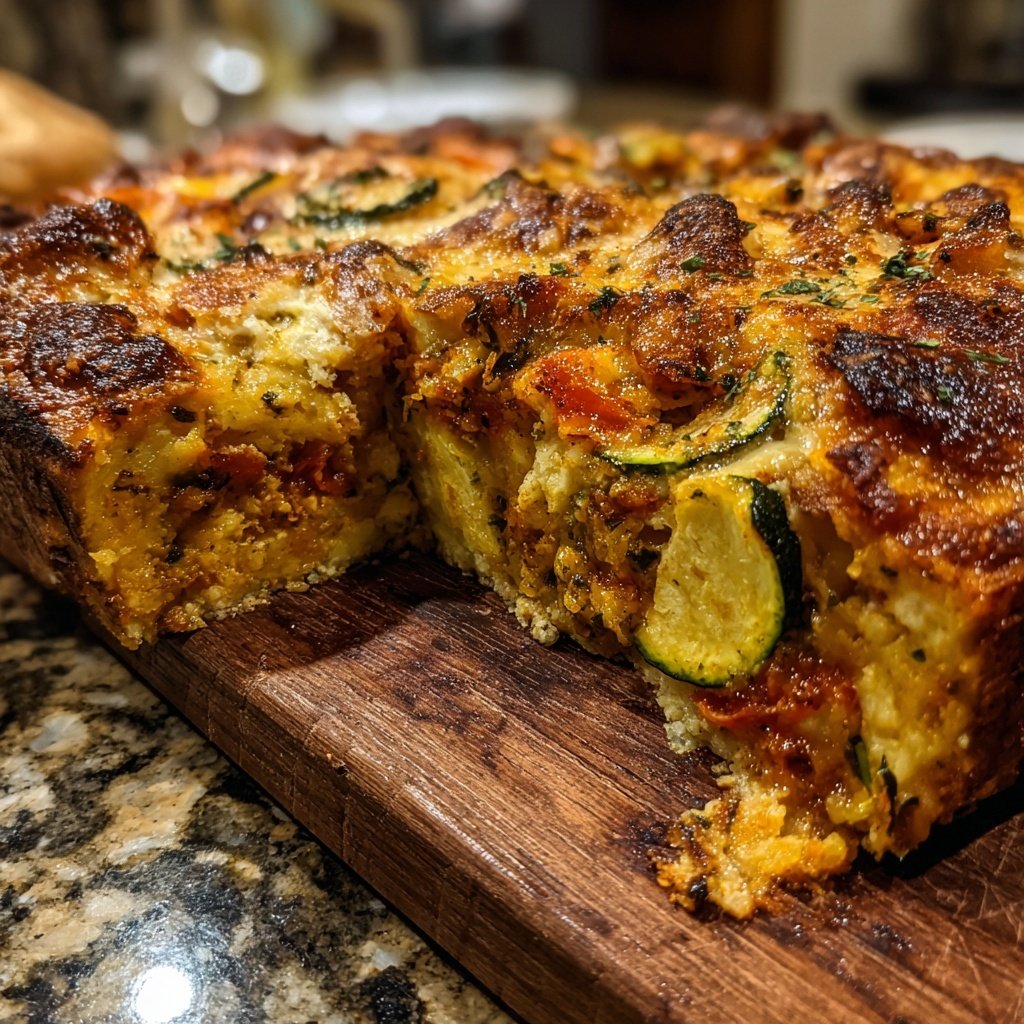
I love how my Sunday Baked Vegetable Casserole brings warmth and joy to our weekend family gatherings. Every bite is filled with vibrant vegetables and a delightful blend of herbs that we can't resist. This dish allows me to use whatever fresh produce I have on hand, which makes it both versatile and eco-friendly. The creamy texture and cheesy topping make it a comforting meal that everyone can enjoy, whether it's a lazy Sunday brunch or a cozy dinner. I can’t help but smile when I see everyone enjoying it together.
I always enjoy experimenting in the kitchen, and my Sunday Baked Vegetable Casserole was no exception. It’s become a staple in our household, not just for its taste but also for its adaptability. I remember the first time I made it, I had leftover vegetables from the farmer's market, and I thought, why not? The outcome was a delightful harmony of flavors that surprised even myself!
Another tip that can elevate this dish is the layering technique. I found that layering the veggies with the cheese and béchamel sauce ensures every bite is packed with flavor. It creates a beautiful baked crust on top, and the bottom remains soft and creamy. Trust me, it’s a simple trick that makes all the difference in presentation and taste.
Why You'll Love This Recipe
- A colorful medley of seasonal vegetables that brighten your table
- Creamy béchamel sauce that adds richness and depth
- Easily adaptable for any dietary preference or seasonal ingredient
Choosing the Right Vegetables
One of the best aspects of the Sunday Baked Vegetable Casserole is its flexibility with seasonal vegetables. I love using a mix of zucchini, bell peppers, and carrots, but you can also incorporate asparagus, spinach, or even sweet potatoes based on what you have available. Just remember to cut them into similar-sized pieces to ensure even cooking. This approach not only enhances the dish's color but also allows you to use up produce that might be nearing its prime.
For optimal flavor and texture, ensure your vegetables are fresh and crisp. If you're using frozen vegetables, thaw and drain them thoroughly to avoid excess moisture, which can result in a soggy casserole. When sautéing, briefly cooking the vegetables before layering can help intensify their flavors and reduce moisture content, contributing to a better overall casserole.
Mastering the Béchamel Sauce
The béchamel sauce is crucial in adding a creamy texture and depth of flavor to the casserole. When adding milk to the flour and butter mixture, it’s important to do this gradually while whisking continuously to prevent lumps. Cook the sauce over medium heat until it thickens—this usually takes about 5-7 minutes. Look for a glossy appearance and a consistency that coats the back of a spoon. If you find the sauce too thick, you can whisk in an extra splash of milk until you reach your desired consistency.
Nutmeg is a traditional flavoring in béchamel; it adds warmth and complexity. However, it's easy to add too much, so start with a pinch and adjust to your taste. This sauce can be made in advance and stored for up to two days in the refrigerator. Just rewarm gently before adding it to your casserole layers.
Serving and Storing Tips
This casserole is perfect for serving warm alongside a fresh salad or crusty bread. It's a great option for brunch; pair it with a light fruit salad or even poached eggs for added protein. I often serve it with a sprinkle of fresh herbs on top, like parsley or thyme, just before serving to elevate the presentation and flavor.
If you have leftovers, store the casserole in an airtight container in the refrigerator for up to four days. To reheat, cover it with foil and warm in a 350°F (175°C) oven for about 15–20 minutes. If you want to freeze individual portions, let it cool completely, then wrap them tightly in foil or freezer-safe containers. This way, you can enjoy a convenient, homemade meal anytime!
Ingredients
For the Casserole
- 2 cups mixed seasonal vegetables (e.g., zucchini, bell peppers, carrots)
- 1 cup cooked quinoa
- 1 cup shredded cheese (e.g., mozzarella, cheddar)
- 2 tablespoons olive oil
- Salt and pepper to taste
- 1 teaspoon dried oregano
For the Béchamel Sauce
- 2 tablespoons butter
- 2 tablespoons flour
- 2 cups milk
- Nutmeg to taste
- Salt to taste
Instructions
Preheat the Oven
Preheat your oven to 350°F (175°C).
Prepare the Béchamel Sauce
In a saucepan, melt the butter over medium heat. Stir in the flour until it forms a paste. Gradually whisk in the milk, cooking until thickened. Season with nutmeg and salt.
Mix the Vegetables
In a large bowl, combine the mixed vegetables, cooked quinoa, olive oil, salt, pepper, and dried oregano. Mix well.
Layer the Casserole
In a baking dish, layer half of the vegetable mixture, followed by half of the béchamel sauce, then half of the cheese. Repeat layers, finishing with cheese on top.
Bake the Casserole
Cover with foil and bake for 30 minutes. Remove the foil and bake for an additional 10 minutes or until golden and bubbly.

Pro Tips
- Feel free to substitute any vegetables based on what you have. This recipe works well with spinach, mushrooms, and even root vegetables for a winter vibe.
Dietary Adjustments
This recipe is easily adaptable for various dietary needs. For a gluten-free version, replace regular flour in the béchamel with a gluten-free flour blend. Additionally, you can swap out milk for a plant-based alternative, such as almond or soy milk, ensuring it is unsweetened to maintain the savory profile of the sauce.
If you're looking for a vegan option, consider using nutritional yeast to mimic the cheesy flavor in your béchamel sauce. You can also increase the ratio of vegetables or replace the cheese with a vegan cheese alternative, adding depth and flavor without compromising on dietary restrictions.
Ingredient Substitutions
Substituting ingredients in the Sunday Baked Vegetable Casserole can lead to new flavor profiles and textures. For instance, if you don’t have quinoa, cooked rice or lentils can work well as a base. This change will still provide a hearty filling and contribute to the dish's nutritional value.
Cheese choices can also be varied; try mixed cheese blends for a sharper taste, or goat cheese for creaminess. Each adjustment allows for experimentation based on your pantry and personal preference, resulting in a unique casserole every time.
Questions About Recipes
→ Can I make this casserole ahead of time?
Yes, you can prepare it a day in advance and store it in the refrigerator. Just bake it when you’re ready to serve.
→ What can I use instead of quinoa?
You can substitute quinoa with cooked rice or even pasta for a different texture.
→ Is this recipe gluten-free?
You can easily make it gluten-free by using gluten-free flour for the béchamel sauce.
→ Can I freeze leftovers?
Absolutely! Let the casserole cool completely before freezing. Thaw and reheat when you're ready to enjoy.
Sunday Baked Vegetable Casserole
Created by: Harriet Collins
Recipe Type: Heavenly Bakes
Skill Level: Beginner
Final Quantity: 6 servings
What You'll Need
For the Casserole
- 2 cups mixed seasonal vegetables (e.g., zucchini, bell peppers, carrots)
- 1 cup cooked quinoa
- 1 cup shredded cheese (e.g., mozzarella, cheddar)
- 2 tablespoons olive oil
- Salt and pepper to taste
- 1 teaspoon dried oregano
For the Béchamel Sauce
- 2 tablespoons butter
- 2 tablespoons flour
- 2 cups milk
- Nutmeg to taste
- Salt to taste
How-To Steps
Preheat your oven to 350°F (175°C).
In a saucepan, melt the butter over medium heat. Stir in the flour until it forms a paste. Gradually whisk in the milk, cooking until thickened. Season with nutmeg and salt.
In a large bowl, combine the mixed vegetables, cooked quinoa, olive oil, salt, pepper, and dried oregano. Mix well.
In a baking dish, layer half of the vegetable mixture, followed by half of the béchamel sauce, then half of the cheese. Repeat layers, finishing with cheese on top.
Cover with foil and bake for 30 minutes. Remove the foil and bake for an additional 10 minutes or until golden and bubbly.
Extra Tips
- Feel free to substitute any vegetables based on what you have. This recipe works well with spinach, mushrooms, and even root vegetables for a winter vibe.
Nutritional Breakdown (Per Serving)
- Calories: 350 kcal
- Total Fat: 15g
- Saturated Fat: 7g
- Cholesterol: 30mg
- Sodium: 250mg
- Total Carbohydrates: 40g
- Dietary Fiber: 5g
- Sugars: 5g
- Protein: 10g